Car Gadget Warranty & Support Reality
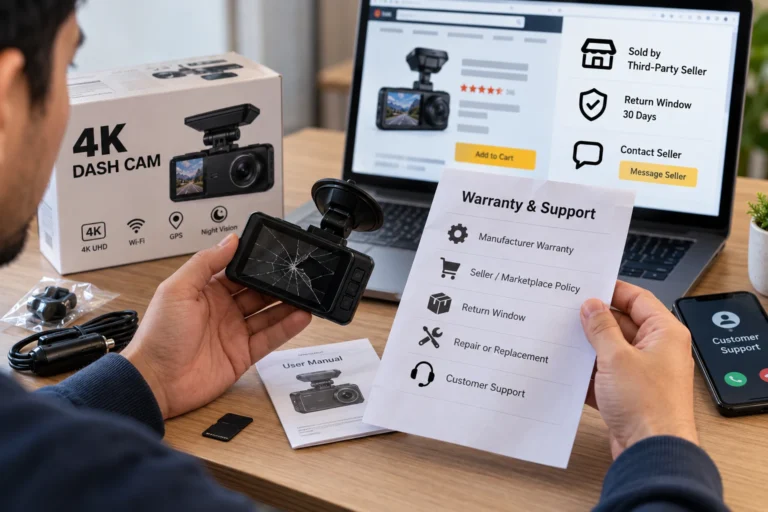
Who's actually responsible when a cheap car gadget from an online marketplace fails? The honest answer, and how to protect yourself before you buy.
Who's actually responsible when a cheap car gadget from an online marketplace fails? The honest answer, and how to protect yourself before you buy.
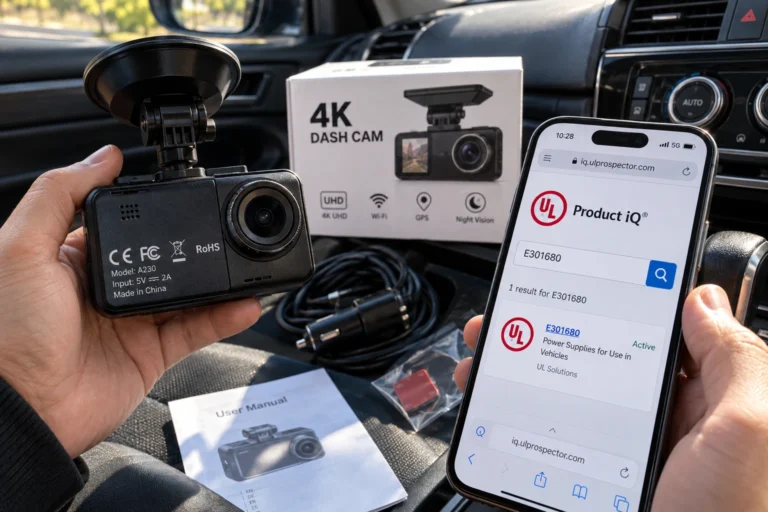
A certification mark is a claim you can verify, not just a logo. Here's what marks like CE, FCC and UL promise, and how to spot a fake one.
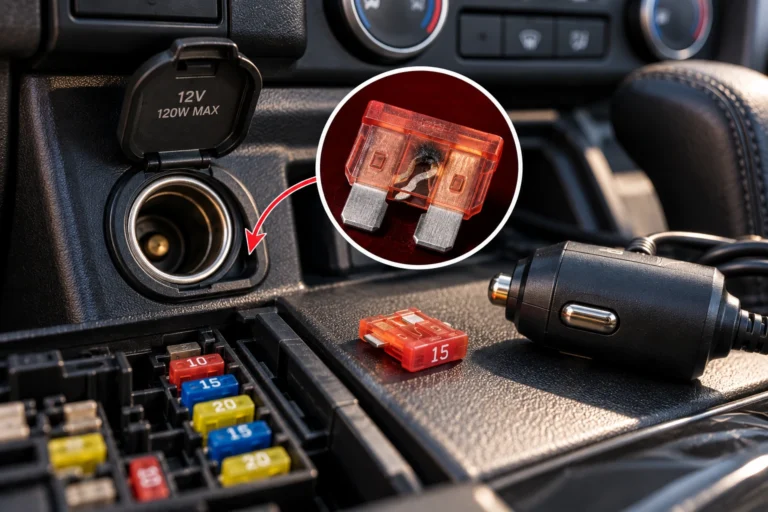
A blown 12V socket fuse means the protection worked. Learn why fuses blow, how to find the right replacement, and when to call an auto electrician.

Heat, cold and vibration are three real, different mechanisms, and a car cabin is harsher on each than almost anywhere else a gadget lives. Here's why.
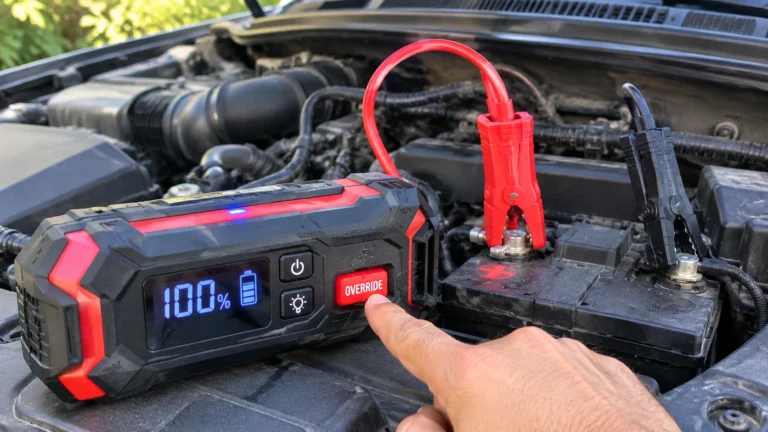
A manual override button is not an extra-power setting. Learn why some jump starters offer it, what protection it can remove, and when to get help instead.
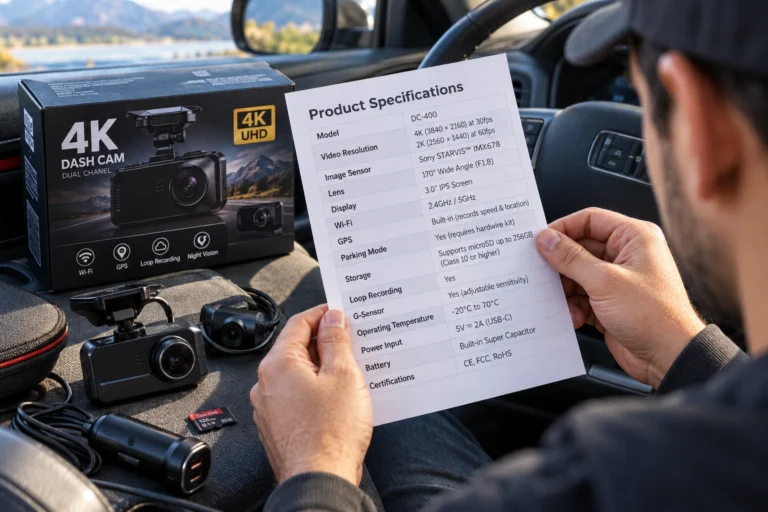
A car gadget spec sheet mixes real measurements with marketing words. Here is how to tell headline numbers, vague claims, and missing specs apart.
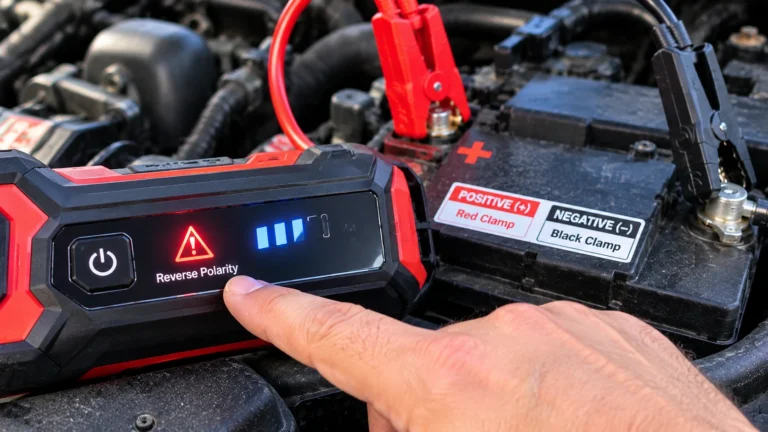
A red jump-starter light does not mean the same thing on every model. Identify the warning, verify the designated connection points, and avoid bypassing protection.
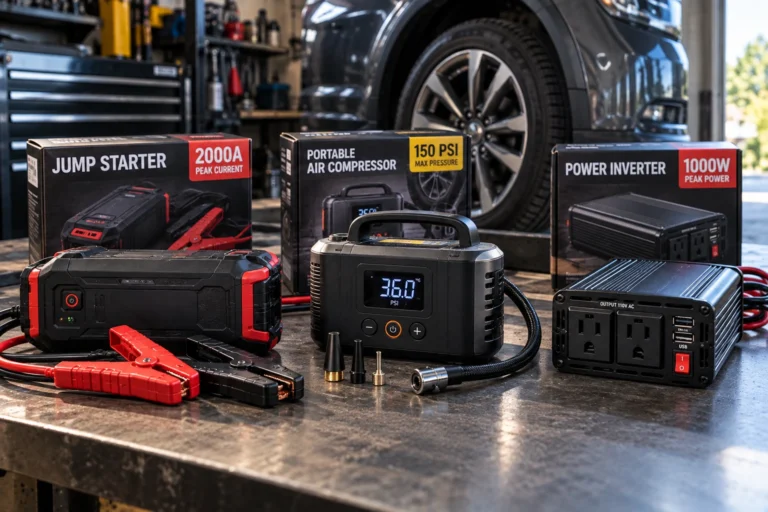
Peak amps, max PSI, sealed kPa: why the biggest number on a car gadget's box rarely describes how it actually performs, and what to ask instead.
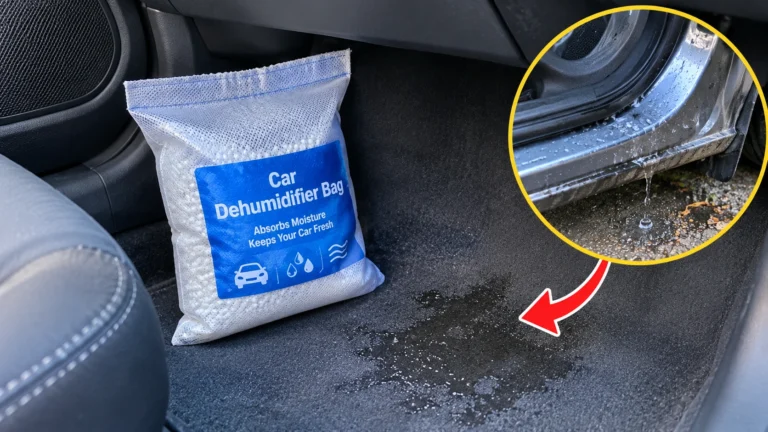
A moisture-absorbing bag can help a mildly damp car, but it cannot repair a leak or dry soaked underlay. Check where the moisture comes from before buying.
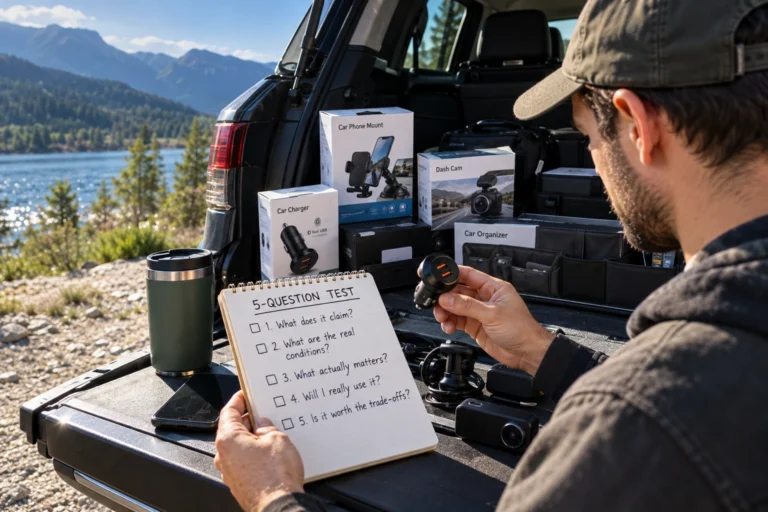
A five-question method for judging any car gadget: what it claims, what condition its spec was measured under, and what actually predicts real use.
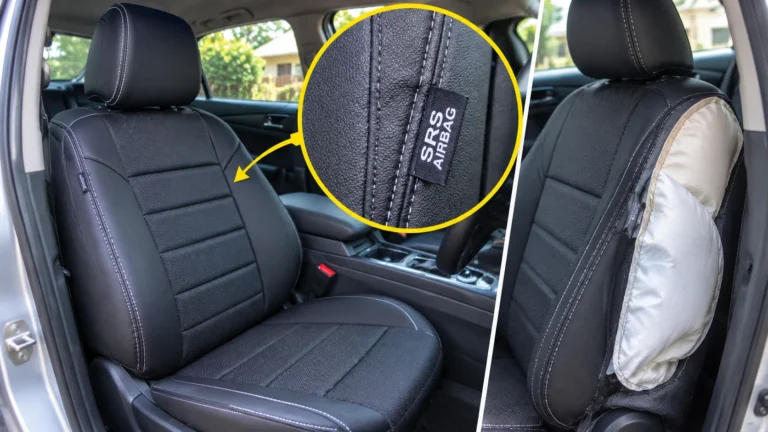
A seat cover can fit neatly while interfering with safety equipment. Here is what to check before buying one for a seat with side airbags.
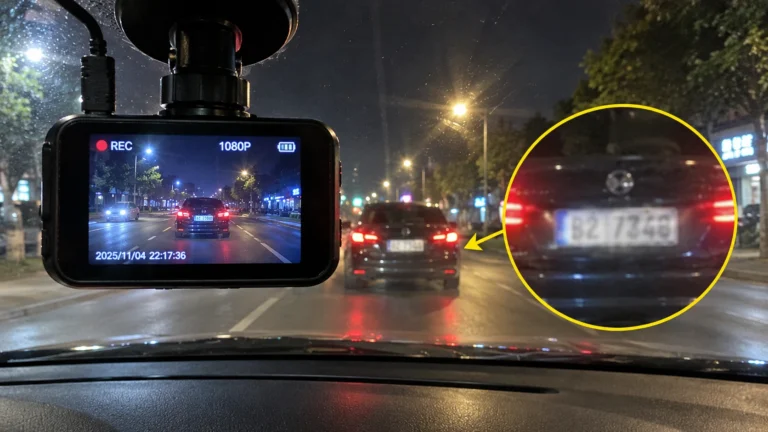
A sharp-looking night video can still hide number plates. Identify whether glare, movement, distance, or the view through your windshield is losing the detail.