Judging an Eco Car Gadget: Claim vs Mechanism
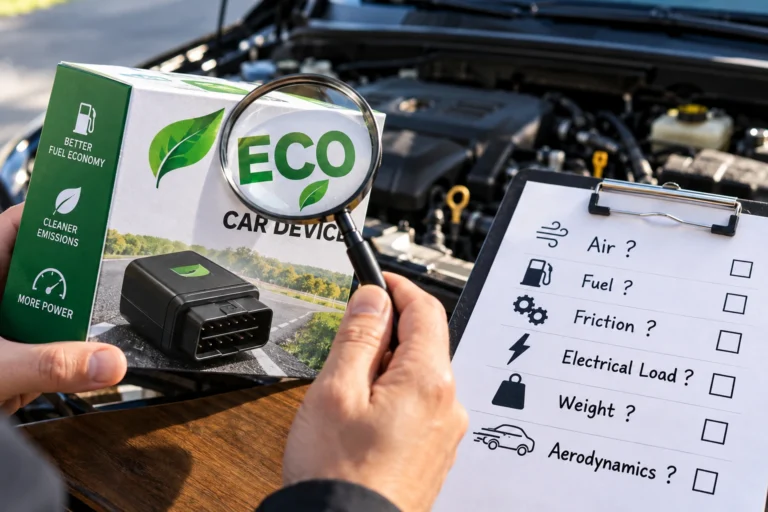
'Eco' has no legal definition. The real test is whether a seller names a physical mechanism, and whether that mechanism is one you can actually check.
'Eco' has no legal definition. The real test is whether a seller names a physical mechanism, and whether that mechanism is one you can actually check.
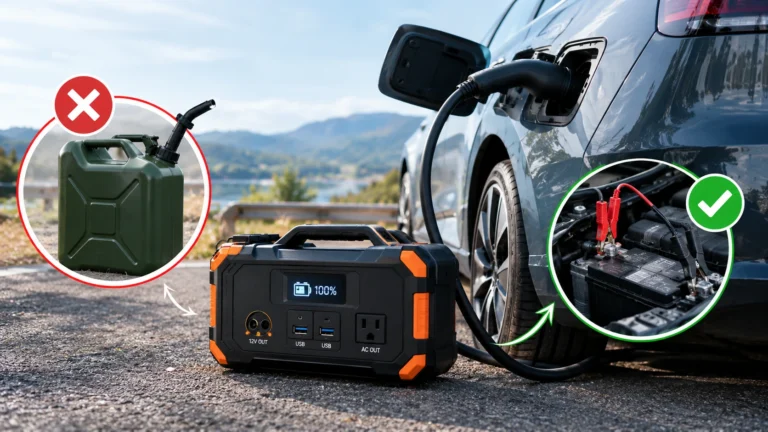
A portable pack can't refuel an EV like a jerrycan refuels a gas car. What it actually does, and the far more common problem: a dead 12V battery.
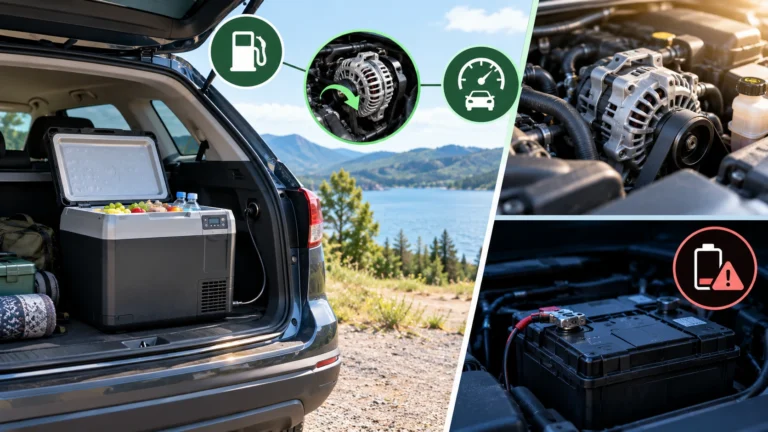
A 12V fridge costs a little fuel while the engine runs, but that is not the real risk. Here is the honest split between the fuel question and the battery question.
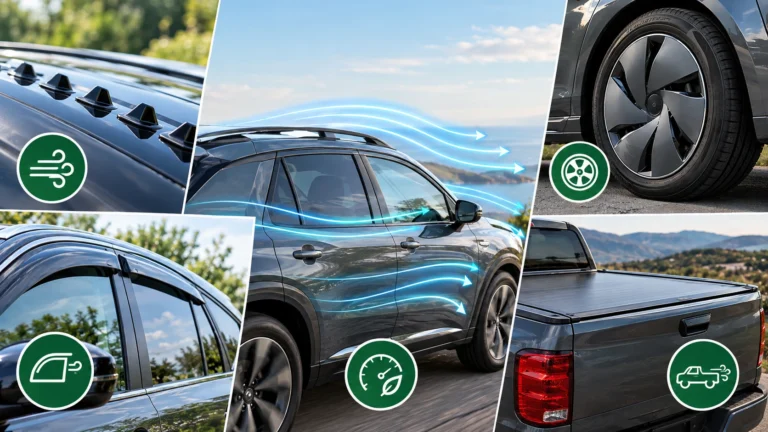
Vortex generators, wind deflectors, wheel covers and tailgate covers, sorted honestly by real mechanism versus marketing, with sources named throughout.
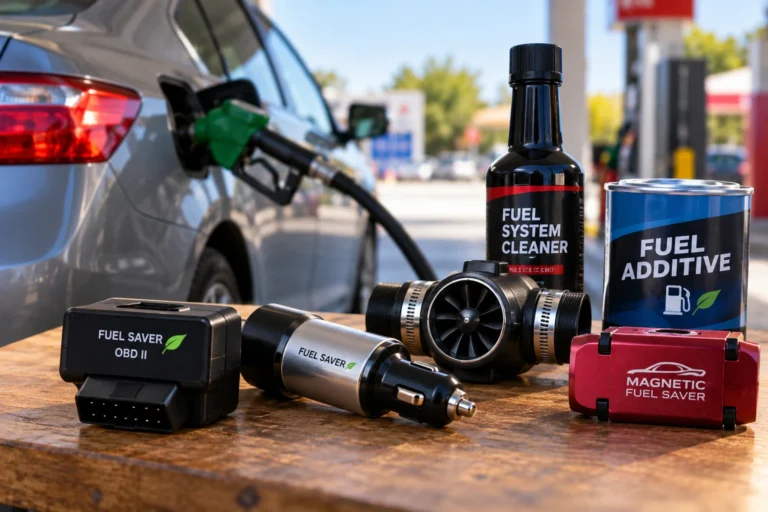
The EPA and FTC have already answered this. The more useful question, and the one this covers, is why these gadgets still sell to smart people.
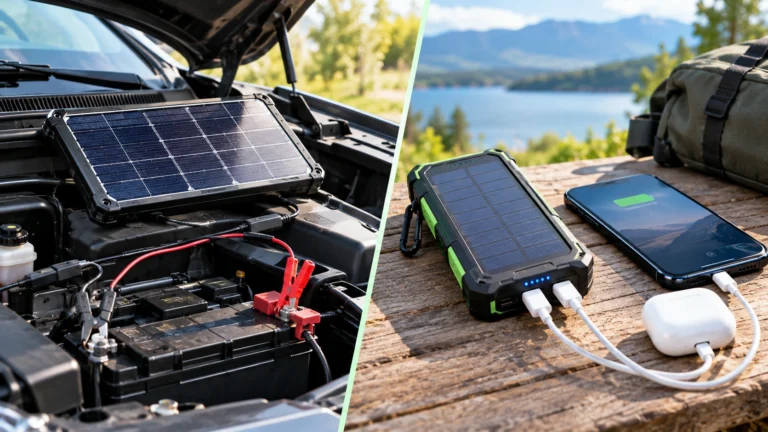
A solar trickle charger and a solar power bank get confused constantly. The build, the job, and the honest limits of each, so you buy the right one.
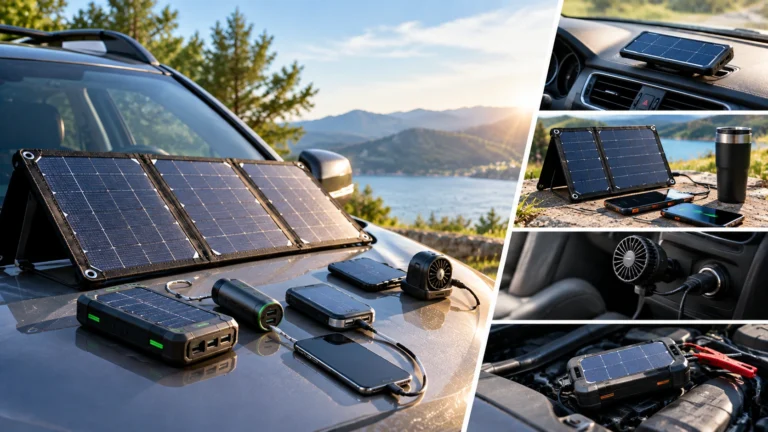
Sort solar car gadgets by how much energy the job actually needs. Small, patient jobs work. Big or fast jobs don't, and here's the honest reason why.
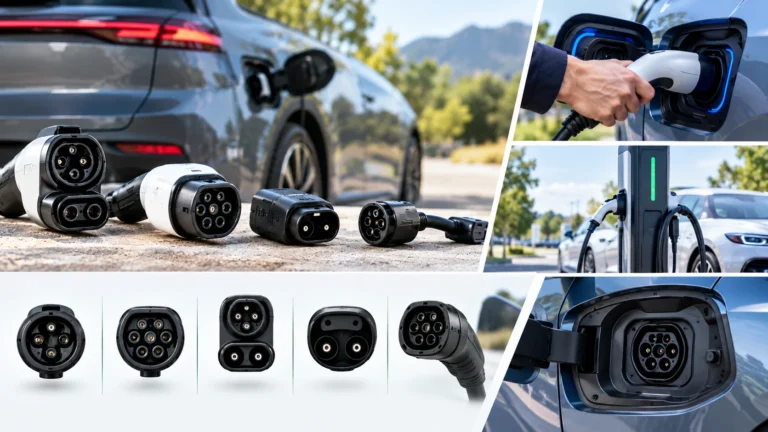
An adapter changes a plug's shape, not what your car can do. How AC and DC charging actually differ, and where to check what fits your car today.
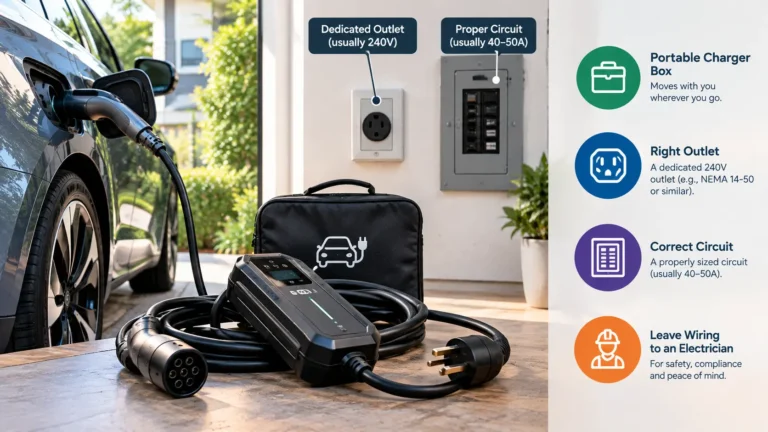
A portable charger's box moves with you; the outlet and circuit it needs do not. Confirm both before you buy, and leave wiring to an electrician.
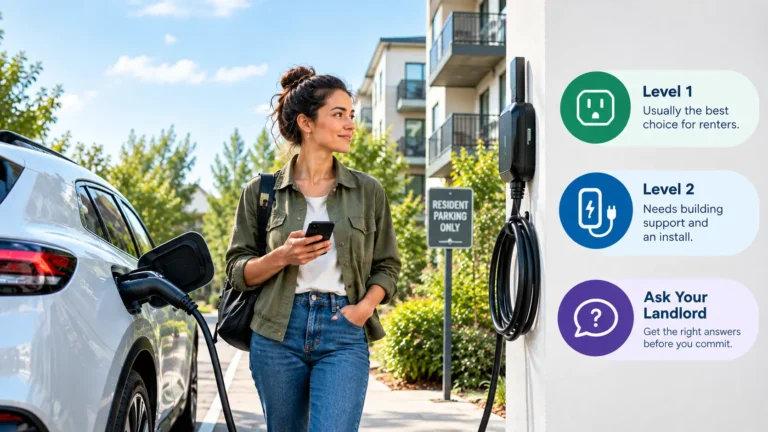
For renters who can't rewire: why Level 1 at home usually wins, what Level 2 needs from a building, and what to ask your landlord first.